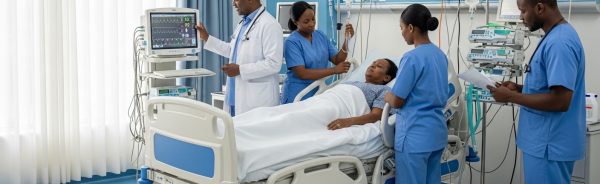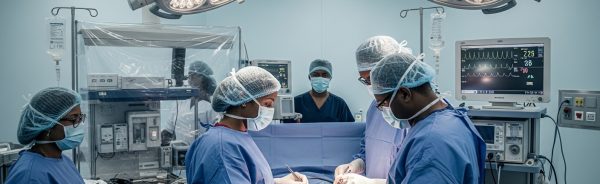



Cardiac emergencies require immediate, coordinated action. Conditions such as heart attacks, severe arrhythmias, heart failure, or post-cardiac surgery complications demand specialized monitoring and expert intervention.
Critical care units are equipped to manage these life-threatening situations with precision and efficiency.
Advanced Monitoring and Equipment
In cardiac critical care settings, patients benefit from:
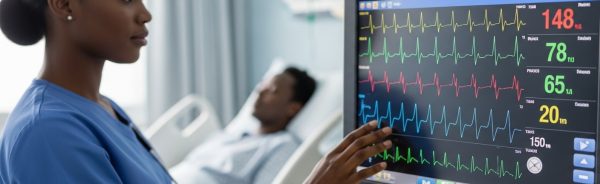
Continuous ECG monitoring
Blood pressure and oxygen level tracking
Defibrillators and emergency response equipment
Ventilatory support when required
Rapid access to cardiologists and intensivists
Early detection of abnormalities is crucial. Even slight rhythm changes can signal serious complications. Continuous monitoring allows medical teams to intervene immediately.
A Team-Based Approach
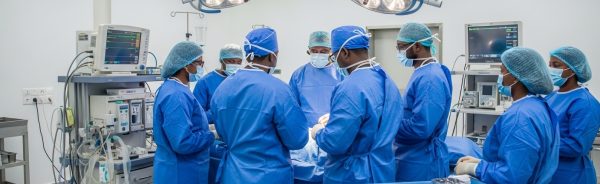
Managing heart conditions is never a one-person job. It involves:
Cardiologists
Intensive care physicians
Critical care nurses
Pharmacists
Laboratory specialists
This coordinated approach ensures that every aspect of the patient’s condition is carefully managed.
In Lagos, where heart-related emergencies are increasingly common due to lifestyle factors, having access to advanced cardiac care can make the difference between life and death.